
Employee awareness
POSH awareness training for employees
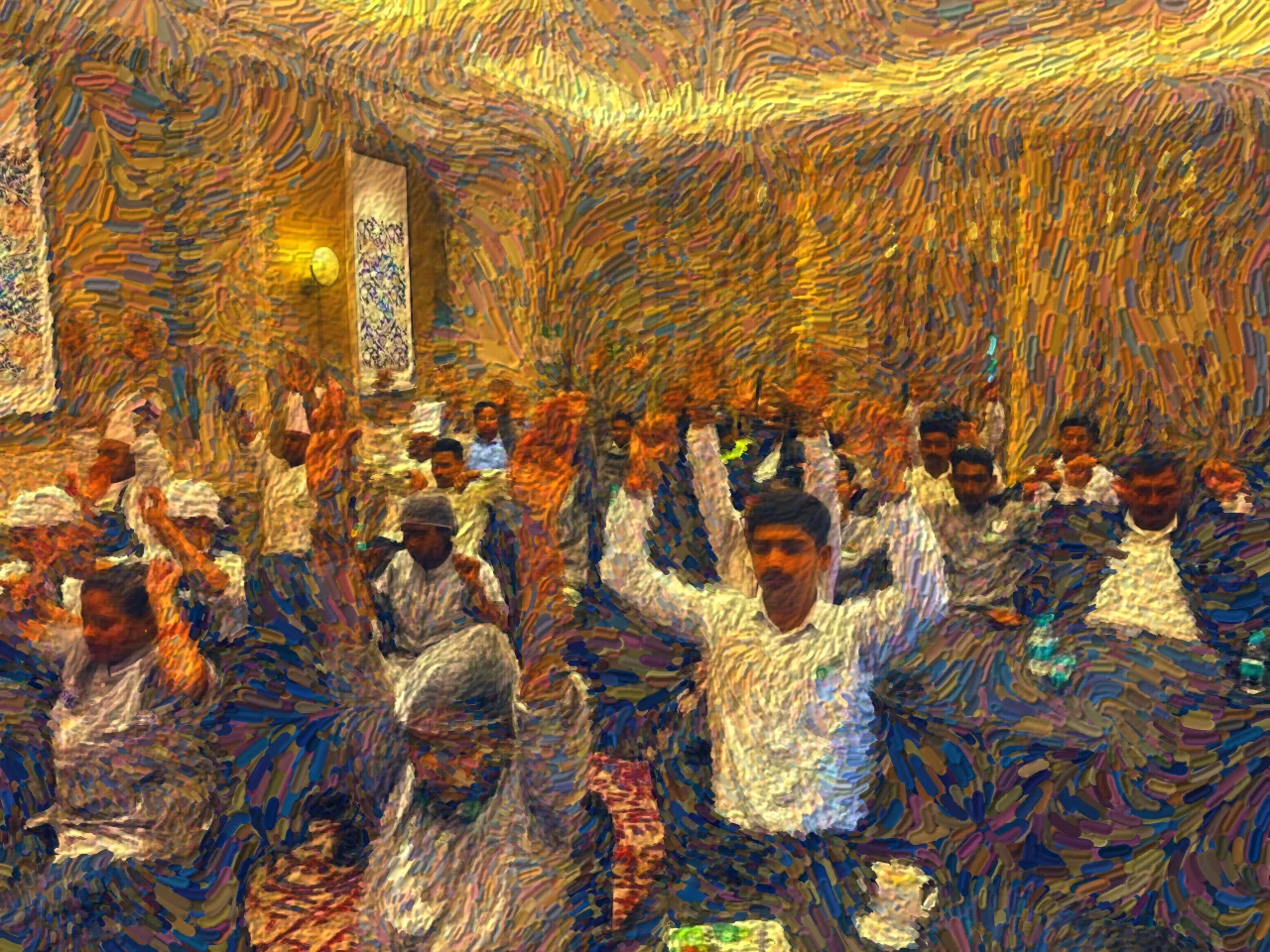
A session people can follow, in a language they speak, built on situations they recognise. Every employee leaves knowing where the line is, how to raise a concern and what happens next.
Curriculum
What employees learn
- The POSH Act without jargon. The forms of sexual harassment under Section 2(n), the circumstances the Act treats as harassment, and how wide “workplace” really is.
- Scenarios from your sector. Factory floor, hospital ward, hotel, office or field team: the examples change with the audience.
- How to complain. Who the Internal Committee members are; written complaints within three months, extendable by three more (Section 9); conciliation without monetary settlement (Section 10); a 90-day inquiry; confidentiality (Section 16).
- Retaliation. Why victimising a complainant or witness is itself misconduct.
- Digital conduct. Messaging apps, video calls and late-night texts, for office, hybrid and remote teams.
- Bystanders. What a colleague can safely do.
- Assessment. A short scenario-based test, not a quiz on section numbers.
Format
The right format for each audience
| Audience | Format that works | Why |
|---|---|---|
| Office teams | Live session, in person or virtual, 90 to 120 minutes | Discussion changes behaviour; questions surface real issues |
| Large or distributed workforce | Online module plus live Q&A | Consistent reach with a human touch |
| Shop floor, field and frontline staff | In person, in the local language | Literacy, language and device access vary |
| Senior leadership | Short closed-door briefing | Liability, tone from the top and the employer’s duties |
Training calendar
How often to train: a practical calendar
The Act asks for awareness programmes “at regular intervals” (Section 19(c)). It does not fix a calendar, so the employer decides, and should be able to defend the decision. This is the calendar we suggest:
| Who | When | What |
|---|---|---|
| New joiners | Within the first 30 days | Core awareness module, policy walkthrough, Internal Committee contacts |
| All employees | Once a year | Refresher with fresh scenarios and a short assessment |
| People managers | On promotion, then once a year | Manager module on first response, escalation and preventing retaliation |
| Internal Committee | On appointment or reconstitution, then once a year | Orientation, inquiry skills, a mock inquiry, legal updates |
| Leadership and board | Once a year | Liability, disclosures and culture |
| Everyone | After a policy change, a serious incident or a restructuring | A targeted session |
A suggested schedule, not a statutory one.
Proof
85,000+ people trained since 2018
- Sessions for government officers at the Uttar Pradesh Academy of Administration and Management (UPAAM), Lucknow.
- The Internal Committees of all 75 districts of Uttar Pradesh Police, and officers up to DG rank.
- External members on the Internal Committees of CRPF, PAC, the Lucknow and Varanasi Police Commissionerates and the Lucknow Development Authority.
- Empanelled with the Ministry of Women and Child Development (SHe-Box).
Some of the organisations we have trained

Who delivers it
Adv. Manjary Upadhyay
Adv. Manjary Upadhyay is the President of Jijiwisha Society, Lucknow, an advocate and a Master Trainer on the POSH Act, 2013. With the Jijiwisha team she has trained more than 85,000 people, including the Internal Committees of all 75 districts of Uttar Pradesh Police. She leads its 14-hour POSH Train-the-Trainer certification.
Quick answers
Employee awareness: questions buyers ask
Is POSH training required every year?
The POSH Act requires awareness programmes at regular intervals without fixing a frequency. Many employers train once a year, because the Internal Committee’s annual report records the workshops held.
Do new employees need POSH training?
Yes. Training new joiners within their first month means everyone covered by the policy understands it.
Should managers get different POSH training?
Yes. Managers are often the first person a complainant approaches, and need guidance on escalation, confidentiality and preventing retaliation.
What records should we keep after training?
Attendance or completion records, the content version and trainer, assessment results, certificates and policy acknowledgements.
Request a proposal
Get an itemised quote
Tell us who needs training and how. We reply with a written scope: audiences, format, duration, batch size, languages, locations and deliverables.
Prefer email? Write to president@jijiwishasociety.org.